

It Takes Time To Get Back To 20/20.
And as most beardly sages will tell you, the path is the goal. Or something.
In this subject matter it’s every diopter that matters, they’re all milestones that will give you a better vision experience than the previous, higher diopters. -10 diopter myopia is nothing like -5 diopter myopia. At -10 you can barely wear glasses, your field of vision is seriously compromised, everything is smaller and more distorted. -5 looks like super high definition magic 8K reality, compared to -10.
And -4 is nothing like -2. At -2 you almost don’t need glasses for close-up, and you’re likely to get clear flashes even without glasses. And once you get to the last diopter, you can be without glasses in good outdoor lighting, and likely experience increasing amounts of great eyesight.
I also wrote several posts on the rate of improvement, and also did a quick and as-usual rambling video on the “how fast” question:
All that said, because newbies always ask this question (and who can blame them), here’s some updates from darling students who made it all the way to 20/20, or are just about there.
Because yes of course, you can (and should) go all the way back to 20/20. So enjoy some of the 20/20 gains reports here below.
20/40 To 20/20 Range Improvement Updates:
Peak At My E-Mail Inbox (-4.00, No Glasses, Etc)
Every day has a three hour window of Jake-time for @endmyopia. Some days its a bit more, others a bit less. I keep track of it, make sure it averages out to about three hours. The three hour rule helps to solve time sucking problems, instead of just accepting to have to work longer. Things like e-mail volume spam [...]
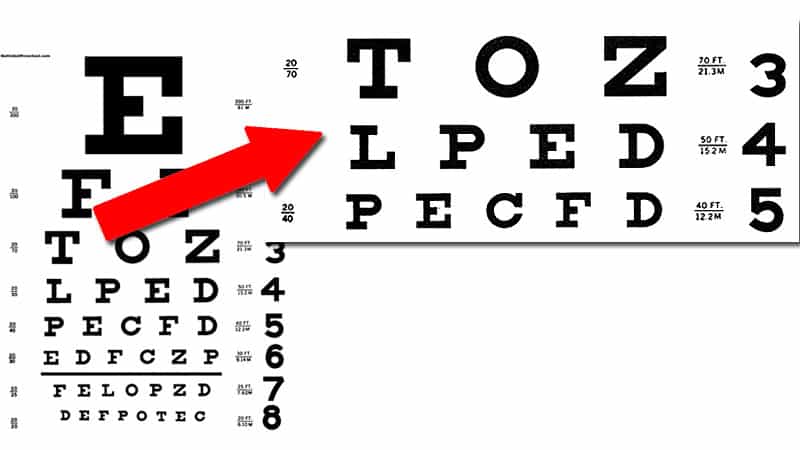
Optometrist Forced To Admit: She’s Legal To Drive!
This is a bit of a crazy story, that Stefanie is telling. Strap in, because she went from, what, 20/70 to 20/40 in a month? Legal to drive with a 1.5 diopter lowered prescription? Is that even possible? What is going on over here, in wizard land? Check this out: The title here was a bit clickbait-ey, I admit it. The [...]
Squinting Child: What Does It Say About Eyesight? (also, 20/50 to 20/25!)
I was told recently that things around here started looking quite professional. Cat meme, to fix that entire misconception. If you're a regular reader here, you know that it's a good idea not to be squinting at things. You can blink, especially if you understand active focus, and get a much better result than squinting. You'll also avoid all [...]

Some Awe Inspiring 20/20 Stories (-6.00, No Glasses, More)
Why the selfie post title image, Jake? Your face isn't exactly what anybody is going to want to look at. I'll tell you why. It's Saturday afternoon. Instead of frolicking at the strip club or spending time with the family, I'm writing you blog posts and answering countless questions. This is what I look like, making sure you're taken care [...]

Scientists, 75% Astigmatism Reductions, & Pinhole YOLOs
A quick cross section of various questions and comments, today: It would be so silly easy, all of this myopia discussion, if we were all scientists. So, so, so dreamily easy. Trouble is, a lot of the PDFs and things I link in the science section, are all full of partially unnecessary academic lingo. So unless you're used to weeding [...]

From -2.25 To No-Glasses Clear Flashes
Matthew posts an update in the forum: I posted last month about a nice prescription reduction and my excitement about the progress I have made since last year. I reduced to: OD -2.50 *-.25 *177 OS -2.00 *-.50 *177 I adapted to the reduction faster than I thought, and could consistently clear to the 20/20 line on my snellen in [...]