

I’ve been promising this one for a while.
The Q&A video isn’t perfectly clear on a few key points. I blame the giant ants.
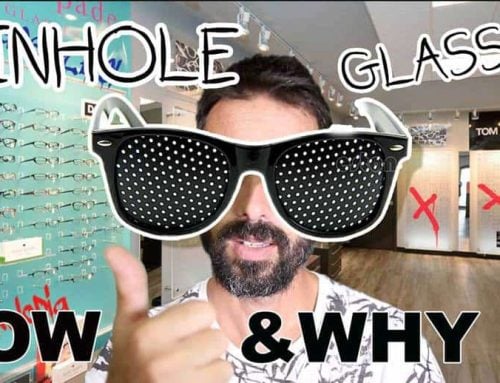
- The main way to address blur horizon is always diopters. Lux is just “fine tuning” blur horizon, in some scenarios.
- This works best in the 300-1,200 lux range. Higher lux is too bright, and sunglasses are just bringing light down to a manageable range in the first place. Any lower and it’s just too dim, creating unnecessary eye strain.
- Don’t go being behind sunglasses in dimly lit indoor spaces, just because of this side note suggestion.
- This is absolutely an advanced student topic. If you’ve already been doing all the actually important things for a while, and are ready to play with little tweaks, this is for you. You’ll also want to be able to quantify what you experience by using centimeter and log.
- This is of course and as always, not optometrist advice or prescription advice or any advice in general.
- Don’t use this for close-up distance tweaking. Meant for distance vision and outdoor use primarily.
As always, thumbs it if likes it.

Cheers,
-Jake
Related: Do Carrots Improve Your Eyesight? What Actually Works Instead · pupillary distance
Need your PD? Measure it with your camera in about a minute: free online PD measurement.
The whole question of improving eyesight, what has evidence and what does not, now has one page: how to improve your eyesight.
Related improvement reports
- Tori: Two Whole Diopters Less And Still 20/15???
- Headaches & Fatigue: Measure Your Pupillary Distance (PD)
- Troubleshooting Uncomfortable Blur
See how these fit the wider evidence: Can myopia be reversed? What the evidence actually says.