
By Despina
Contributing Optometrist
Over 40-check. Hereditary factor-check; Female-check; High myopia-check. So why was I in a state of shock after being told I had glaucoma? Well, because it was another eye disease that I studied at university and screened patients for and warned them about throughout my career. Helping save people’s eye-sight meant it wouldn’t happen to me. But it doesn’t work that way. Luckily, being in the right place at the right time (ie. an optometrist’s consulting room, not such evil places after all!) meant I caught it early and monitor it regularly, so it’s fine so far. Worse things can happen.
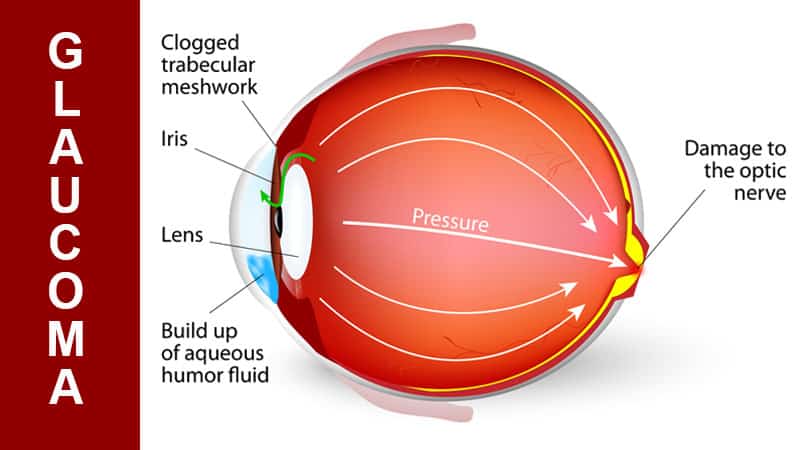
Glaucoma is one of the leading causes of blindness in the adult world, affecting 2% of the over-40’s. Just to make it clearer, how myopia can cause glaucoma to progress, I will explain a bit about the mechanism. It is defined by a raised pressure inside the eyeball itself due to an excess of fluid there, either because of over-production or reduced outflow of the fluid. This raised pressure subsequently compresses the optic nerve at the back of the eye, which carries all the nerve fibres from the light-sensitive cells on the retina to the brain. It is the damage of these fibres that leads to loss of vision, and in advanced, uncontrolled cases, blindness.
Whether or not myopia is really a risk factor for glaucoma remains controversial, but what is certain is that there is an association between myopia and nerve-fibre damage. And it makes sense. You know all about the axial- elongation that happens in myopia, that we are now trying to reverse. This ‘stretching’ of the retina and it’s underlying layers weakens them, making them more susceptible to damage. So any increase in pressure inside the eye is more likely to cause nerve-fibre damage, and this is glaucoma. It will progress faster in high myopes.
In my case, although my glaucoma is probably inherited from my father (usually from first-degree relatives), my high myopia does not bode well as far as it’s progression is concerned. Hopefully, reducing my axial length will reduce chances of nerve-fibre damage in the future, and regular check-ups are a must. For others, reducing axial length may reduce the chance of a slightly raised eye pressure progressing into glaucoma at all. So do get your pressures checked by your optometrist or ophthalmologist, it could save your sight.
Related: Normal Tension Glaucoma: 'Normal' Isn't Always Normal
Related improvement reports
See how these fit the wider evidence: Can myopia be reversed? What the evidence actually says.